Introduction
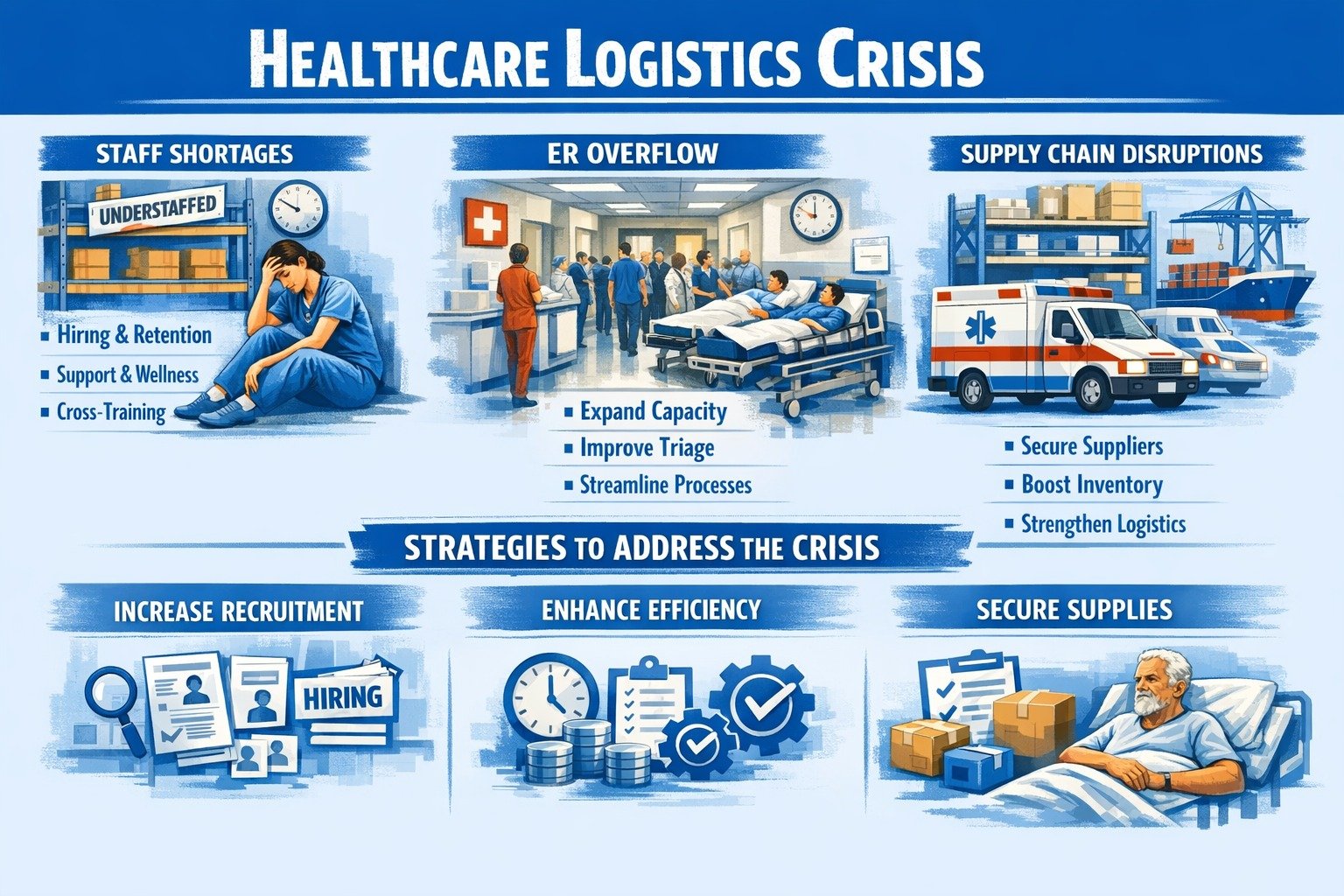
Healthcare education is undergoing a transformation unlike any in the past century. The global healthcare workforce, projected to reach 80 million professionals by 2030, faces both unprecedented demand and disruption (World Health Organization [WHO], 2024). The WHO warns of a shortage of 10 million health workers by 2030, mainly in low- and middle-income nations (WHO, 2023).
India mirrors this global challenge. The country’s healthcare workforce already exceeds 6 million professionals, but will require at least 1.8 million additional doctors, nurses, and midwives by 2030 to meet WHO’s density benchmark of 44.5 health workers per 10,000 people (MoHFW/WHO India, 2024). Over the past decade, India has expanded its infrastructure: medical colleges rose from 387 in 2014 to 731 in 2024, and undergraduate seats more than doubled to 112,000 (Ministry of Health and Family Welfare [MoHFW], 2024).
To bridge the workforce and skills gap, education systems are adopting collaborative learning, personalised digital platforms, and AI-driven technology. These trends are redefining how healthcare professionals learn, practise, and evolve, ensuring they remain agile, empathetic, and future-ready.
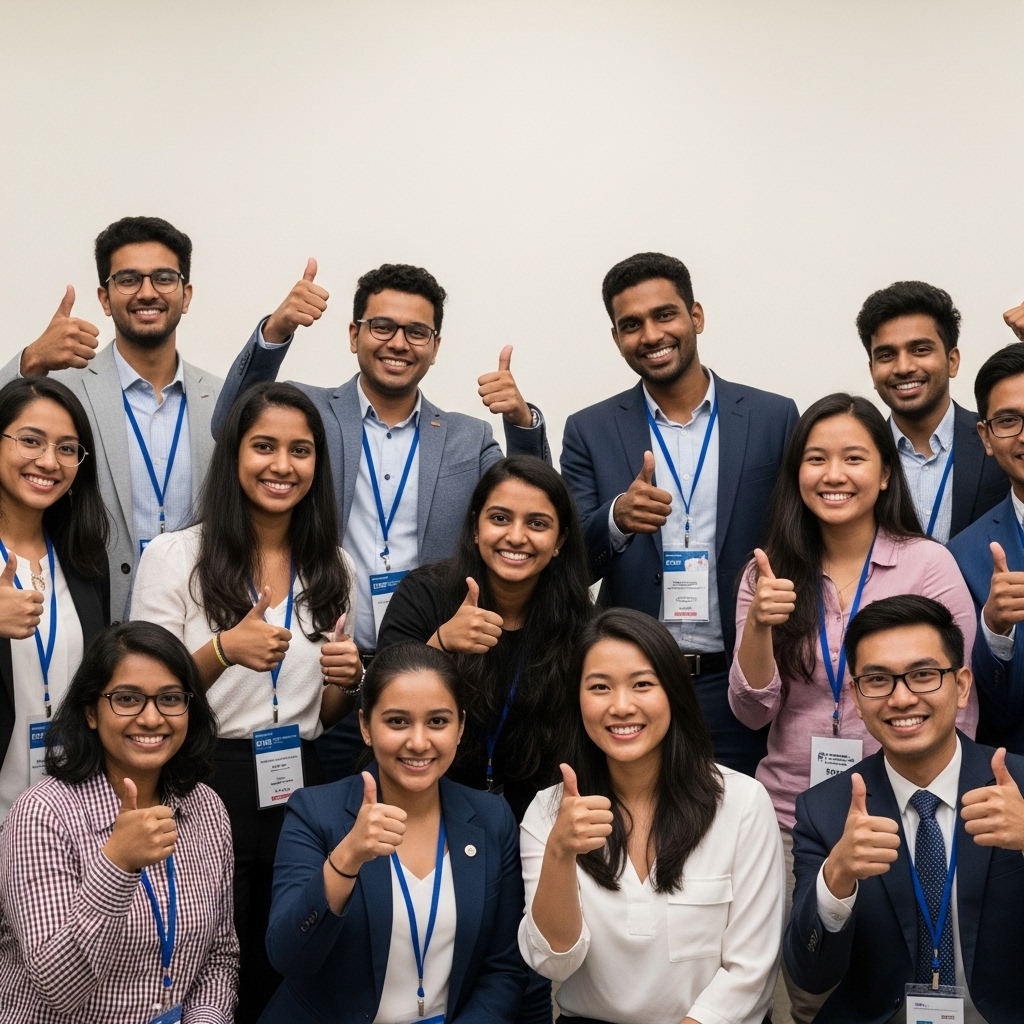
1. Collaboration and Interdisciplinary Learning Environments: The Core of Modern Learning
Collaboration is no longer optional, it is essential. Team-based care can reduce medical errors by 30–50 % and improve outcomes significantly (National Institutes of Health [NIH], 2024).
Interactive, problem-solving models are replacing static lectures. For instance, Harvard Medical School’s Case-Based Collaborative Learning (CBCL) framework trains students to analyse, debate, and reach collective decisions, mirroring hospital teamwork (Harvard Medical School [HMS], 2025).
In India, this shift is crucial because healthcare delivery spans public, private, and rural sectors that depend on team coordination. With over 1.5 million healthcare professionals employed across India’s private hospitals and diagnostic centres (IBEF, 2024), interdisciplinary training improves system efficiency and patient safety.
Diversity further strengthens learning: interdisciplinary environments improve communication and problem-solving efficiency by 37 % among trainees (Deloitte, 2024).
Takeaway: Collaborative, inclusive, and cross-disciplinary education builds healthcare professionals who are not only skilled but also empathetic—vital for India’s rapidly expanding health ecosystem.
2. Personalised and Flexible Learning: The Rise of Precision Education
Healthcare education is moving from standardised curricula to adaptive, learner-centric models. With digital transformation accelerating, personalised learning has become a benchmark of quality.
A McKinsey & Company (2024) survey shows that 85 % of healthcare learners prefer hybrid or self-paced models, citing flexibility and relevance. Modern Learning Management Systems (LMS) now integrate analytics, AI, and real-time feedback, enabling precision education that adapts to each learner’s progress.
In India, the rise of online health-education platforms reflects this trend: digital healthcare learning has grown by over 25 % annually since 2020 (Invest India, 2024). PromediExcel Learning has aligned its pedagogy accordingly, combining self-paced digital modules with mentor-led sessions and hospital internships that provide experiential exposure.
Students using adaptive platforms perform 17 % better in competency-based assessments than peers in traditional classrooms (AAMC, 2024). Faculty training, too, is evolving by incorporating digital pedagogy, leadership, and analytics to enhance teaching outcomes.
Takeaway: Customisation, continuous feedback, and hybrid delivery foster confident, self-directed professionals ready for India’s digitally transformed healthcare sector.
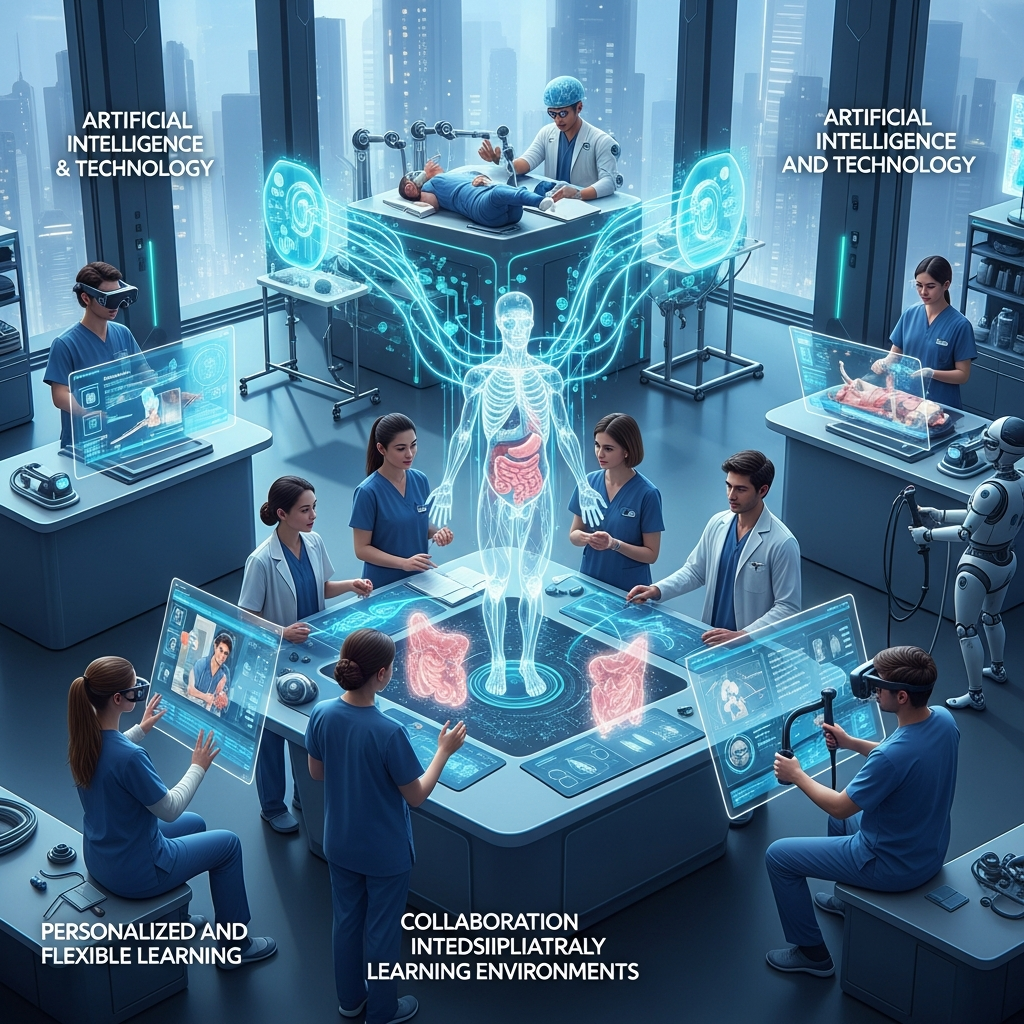
3. Artificial Intelligence and Technology: The Digital Backbone of Healthcare Learning
Artificial Intelligence (AI) is redefining healthcare education, making training more efficient and immersive. The AI-in-education market is projected to exceed USD 25 billion by 2030, with healthcare education among the fastest-growing segments (Grand View Research, 2024).
In India, the healthcare AI market itself is set to grow from USD 0.83 billion in 2023 to USD 17.75 billion by 2032 at a CAGR of 40.5 % (Zion Market Research, 2024). Virtual Reality (VR) and Augmented Reality (AR) simulations are now used in Indian medical and paramedical institutions for clinical training and tele-education.
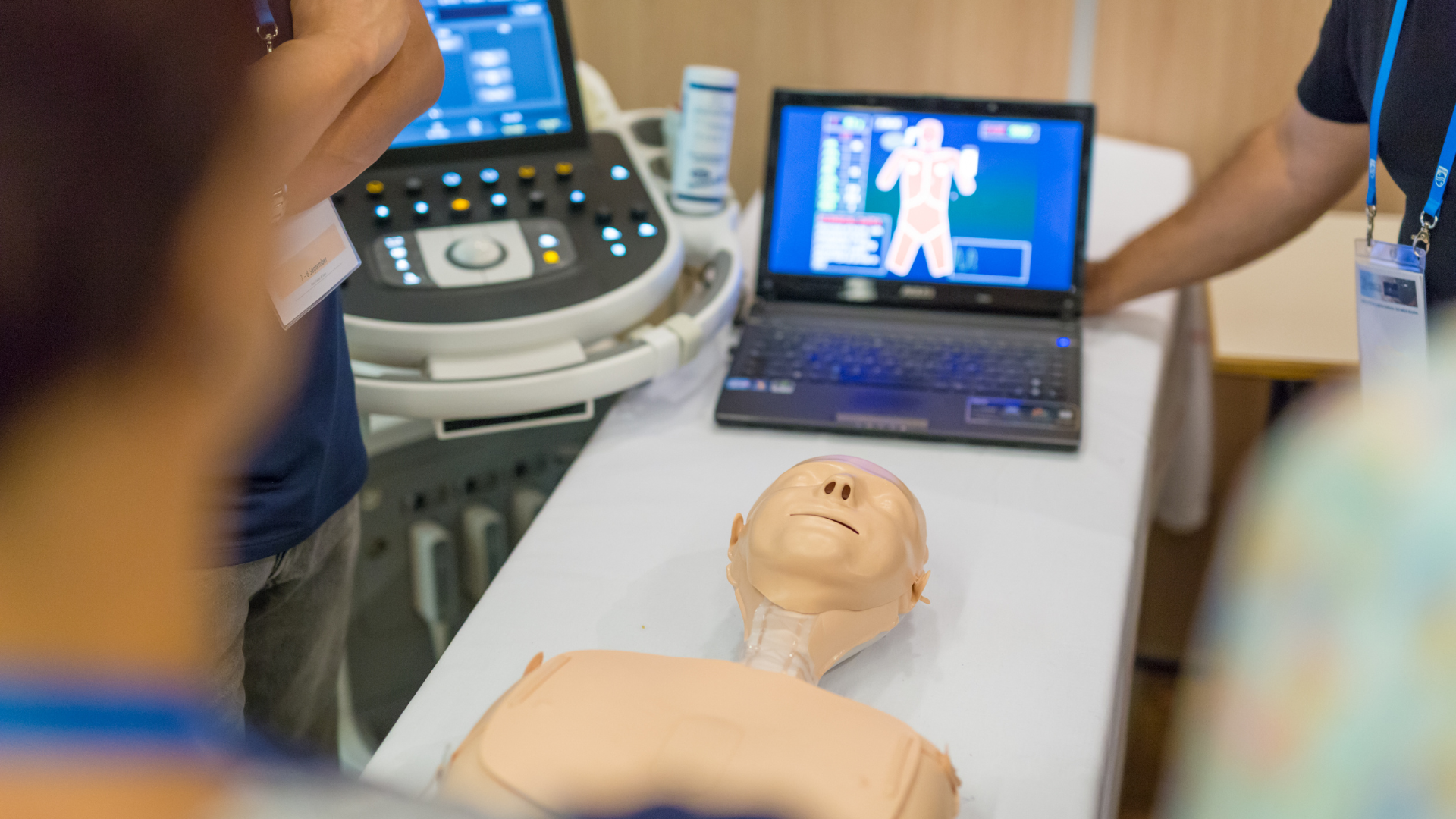
According to PwC (2023), VR-based medical training can improve procedural accuracy by up to 230 % over conventional methods, while the World Economic Forum (2024) estimates that AI-enhanced learning can cut clinical error rates by 20 %.
Still, experts emphasise balance: technology must augment, not replace, empathy and ethical judgment. PromediExcel’s blended model integrates AI-assisted learning with human mentorship ensuring students stay both tech-savvy and emotionally intelligent.
Takeaway: AI, AR, and simulation-based learning are revolutionising healthcare training in India, ensuring professionals remain agile, data-literate, and ethically grounded.
The Road Ahead: Building the Workforce of Tomorrow
Global healthcare expenditure is expected to surpass USD 10.7 trillion by 2027 (Deloitte, 2025), while India’s healthcare industry is projected to reach USD 610 billion by 2026 (IBEF, 2024). Education will be the crucial link between innovation and real-world care delivery.
Institutions that invest in flexible, tech-enabled, and collaborative learning, such as PromediExcel Learning will lead this transformation. By integrating micro-credential programs, blended pedagogy, and hospital partnerships, PromediExcel is helping shape India’s next generation of healthcare leaders and managers.
The shift is clear: healthcare education is no longer about memorising theory; it’s about mastering adaptability, collaborating across disciplines, and leveraging technology to deliver smarter, more compassionate care.
Conclusion
Collaboration, personalisation, and technology are not separate shifts—they form a unified transformation redefining the healthcare learning experience. Together, they establish a new education paradigm that values teamwork as much as technology and human connection as much as innovation.
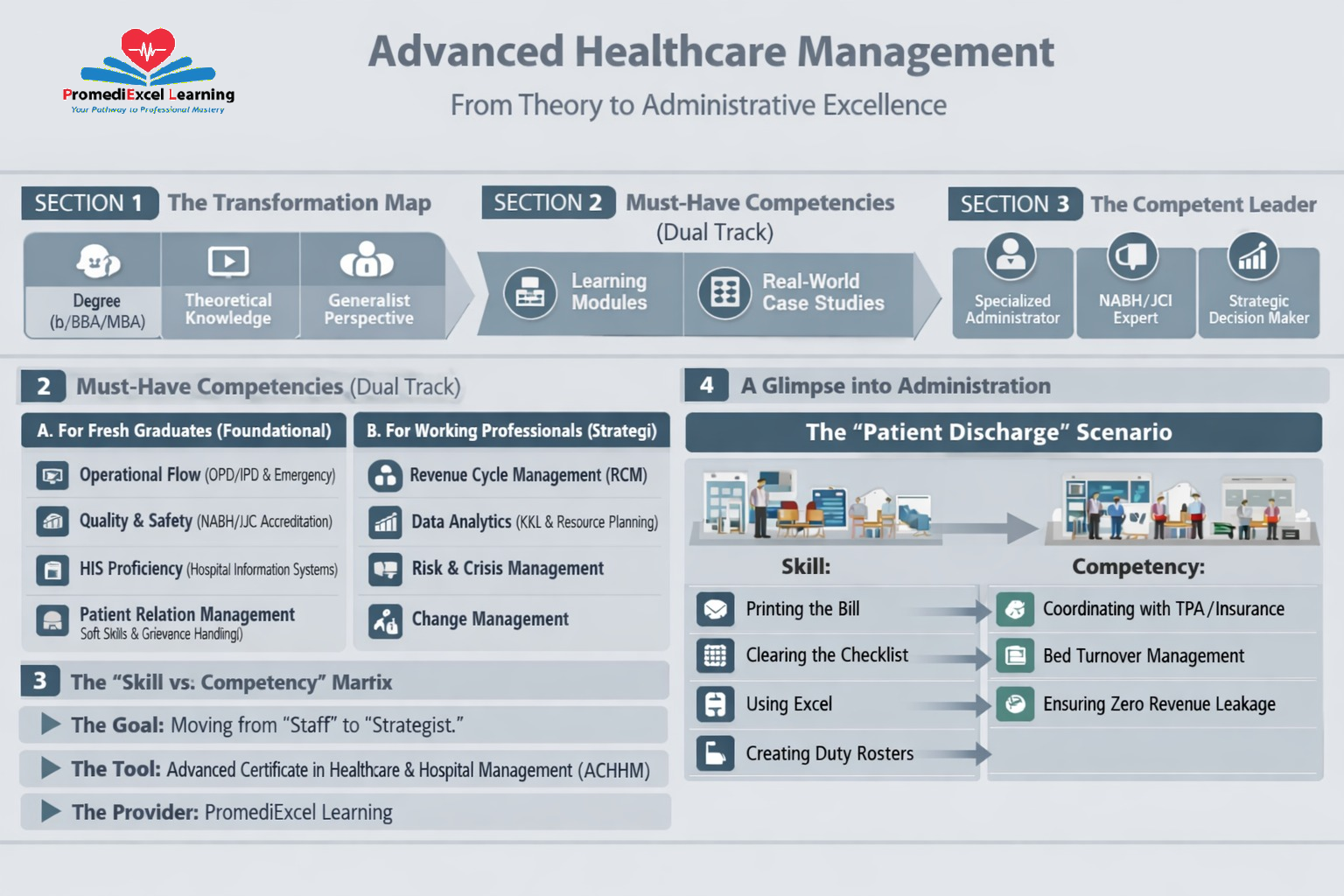
PromediExcel Learning’s pedagogy is a blend of experiential and mentor-guided learning which embodies this evolution. Its programs in Healthcare and Hospital Management, Health Insurance, and Digital Health Systems and many more, integrate real-world exposure with flexible online modules, equipping students to meet India’s growing demand for skilled, ethical, and digitally proficient healthcare leaders.
As AI, analytics, and immersive media evolve, PromediExcel continues to empower learners to move beyond classrooms into a continuous, adaptive ecosystem of lifelong healthcare learning. The professionals who embrace these trends will not only improve patient outcomes but also lead India’s healthcare transformation with innovation and empathy.
.png)


.jfif)
.jfif)