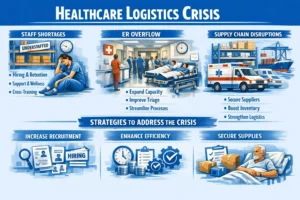
Entering the field of healthcare management can be both exciting and rewarding. The healthcare industry is expanding rapidly, creating a high demand for skilled administrators and managers. In India, the healthcare sector is undergoing a “transformative boom” that is driving a surge in new roles and opportunities. Globally, the outlook is equally promising – for example, the U.S. projects 23% growth in health services management jobs this decade bls.gov. In India, the healthcare sector is not merely growing — it’s booming. The industry, currently worth over USD 370 billion, is projected to hit USD 610 billion by 2026. Trade.gov

At the same time, hiring is accelerating: the healthcare and pharma sector in India saw a 62% year-on-year increase in job postings, and the industry added 7.5 million new jobs in the same interval. The Economic Times. This surge in demand is opening fresh opportunities for skilled administrators, making now a great moment to pursue a healthcare management course or hospital administration training program. Whether you are a student, an early-career professional, or a career switcher, now is the perfect time to explore the diverse healthcare management career opportunities available.
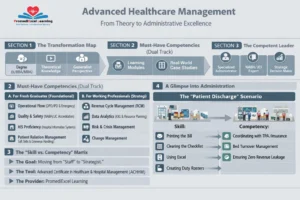
The following 10 tips will help you kickstart a successful career in hospital and healthcare management. From choosing the right healthcare management course to building your network, these steps are designed to give you a head-start. We will also highlight how a practical program like PromediExcel Learning Pvt. Ltd.’s Advanced Certificate in Healthcare and Hospital Management Course can boost your journey with real-world training and industry-recognized certification.
1. Lay a Strong Educational Foundation
Start by building a solid foundation in healthcare and hospital administration through formal education. Enrolling in a reputable hospital management course equips you with essential domain knowledge. These programs cover the fundamentals of running healthcare facilities – from operations and finance to human resources and healthcare laws. In fact, a typical curriculum includes critical areas like healthcare administration, financial management, hospital planning and design, quality improvement, and healthcare regulations.
If you come from a non-medical background, don’t worry – many courses are designed to bring you up to speed with the medical terminology and industry basics you will need. Focus on learning the core concepts and understanding how hospitals and clinics function. A strong academic grounding will ensure you are well-prepared for the challenges of healthcare management.
2. Get Certified with Industry-Recognized Training
Beyond regular degree, consider pursuing an industry-recognized certification to strengthen your credentials. A specialized healthcare and hospital management certification can significantly boost your career prospects by validating your skills and knowledge. For example, PromediExcel Learning’s Advanced Certificate in Healthcare and Hospital Management is a practical hospital administration training program that offers real-world training, expert mentorship, and an industry-recognized certificate upon completion. This online healthcare management course is designed for both medical and non-medical graduates, providing globally-aligned curriculum and hands-on projects to make you job-ready.
Professional certifications not only deepen your expertise but also make you stand out in the job market. Certified healthcare managers often command higher salaries than their uncertified peers. Earning a respected certification showcases to employers that you have up-to-date, specialized skills, essentially giving you a competitive edge. In short, the right certification program (like PromediExcel’s) can be a career game-changer by blending academic knowledge with practical skills that employers value.
3. Gain Practical Experience Early
Education is vital, but so is hands-on experience. Seek out internships, volunteer work, or entry-level positions in healthcare settings to apply your knowledge in real scenarios. Many hospitals and clinics offer internship programs or hospital administration training rotations for students and fresh graduates. Taking on an internship in a hospital’s administration department, for example, will expose you to the day-to-day operations of healthcare facilities, from observing how patient admissions are handled to understanding how departments like billing, HR, or quality control function.
Practical experience helps you build confidence and translates classroom concepts into real-world practice. It also shows potential employers that you have tested your skills outside of textbooks. If you are switching careers, consider volunteering at a local hospital or NGO-run clinic on weekends to gain insight. The more exposure you get to the healthcare environment, the more prepared and “job-ready” you become.
4. Consider an advanced certificate in Hospital Management
For those aiming for higher management roles, doing an advanced certificate along with your master’s degree in Hospital Management or Healthcare Management can be a smart investment. Such a course provides advanced training in leadership, strategy, and business skills tailored to healthcare contexts. This can open doors to senior positions in large hospitals, healthcare corporations, or consulting firms. In India, some of the best hospital management colleges in India (like AIIMS Delhi, CMC Vellore, KMC Manipal, and TISS) offer specialized MBA or Master’s programs in healthcare management, but gaining admission to these top institutes can be very competitive. Also, doing full time courses for career switchers is not always the best choice.
Having additional healthcare and hospital management certification not only enriches your knowledge but also boosts your credibility. It signals that you have been trained in both the clinical aspects and business side of healthcare. Many hospital CEOs and directors hold additional certifications in Hospital Management or a Master’s in Health Administration. If pursuing a full-time MBA isn’t feasible, you can explore executive or part-time programs, or start with a certification course first. The key is to continuously advance your education as you grow in your career.
5. Develop Essential Soft Skills
Successful healthcare managers need more than technical knowledge, they also require strong soft skills. In a hospital or clinic environment, you will be collaborating with doctors, nurses, technicians, and administrative staff, all while ensuring patients receive the best care. Skills like effective communication, leadership, teamwork, and problem-solving are absolutely critical. In fact, experts note that “strong people skills, the ability to adapt to change, and thriving in a fast-paced environment” are universal traits of successful healthcare professionals.
Work on your interpersonal skills by taking on team projects, leading initiatives during your course or internship, and learning to communicate clearly and empathetically. Good managers know how to motivate their team and handle conflicts diplomatically. Remember, hospitals are high-stress environments at times, your calm demeanour and ability to maintain clarity under pressure will set you apart as a leader.
Ready to Kickstart Your Healthcare Career?
Embarking on a career in healthcare and hospital management is a journey filled with opportunity and purpose. With the right preparation and mindset, you can grow into a confident healthcare leader. If you’re ready to take the next step, consider putting these tips into action today.
Don’t wait to chase your goals. Apply now for the Advanced Certificate program, or write at contact@promediexcel.com to get more information. By investing in quality training and actively building your skills, you will be well on your way to a thriving career in healthcare management. Your journey starts now – take that first step and make a difference in the world of healthcare!