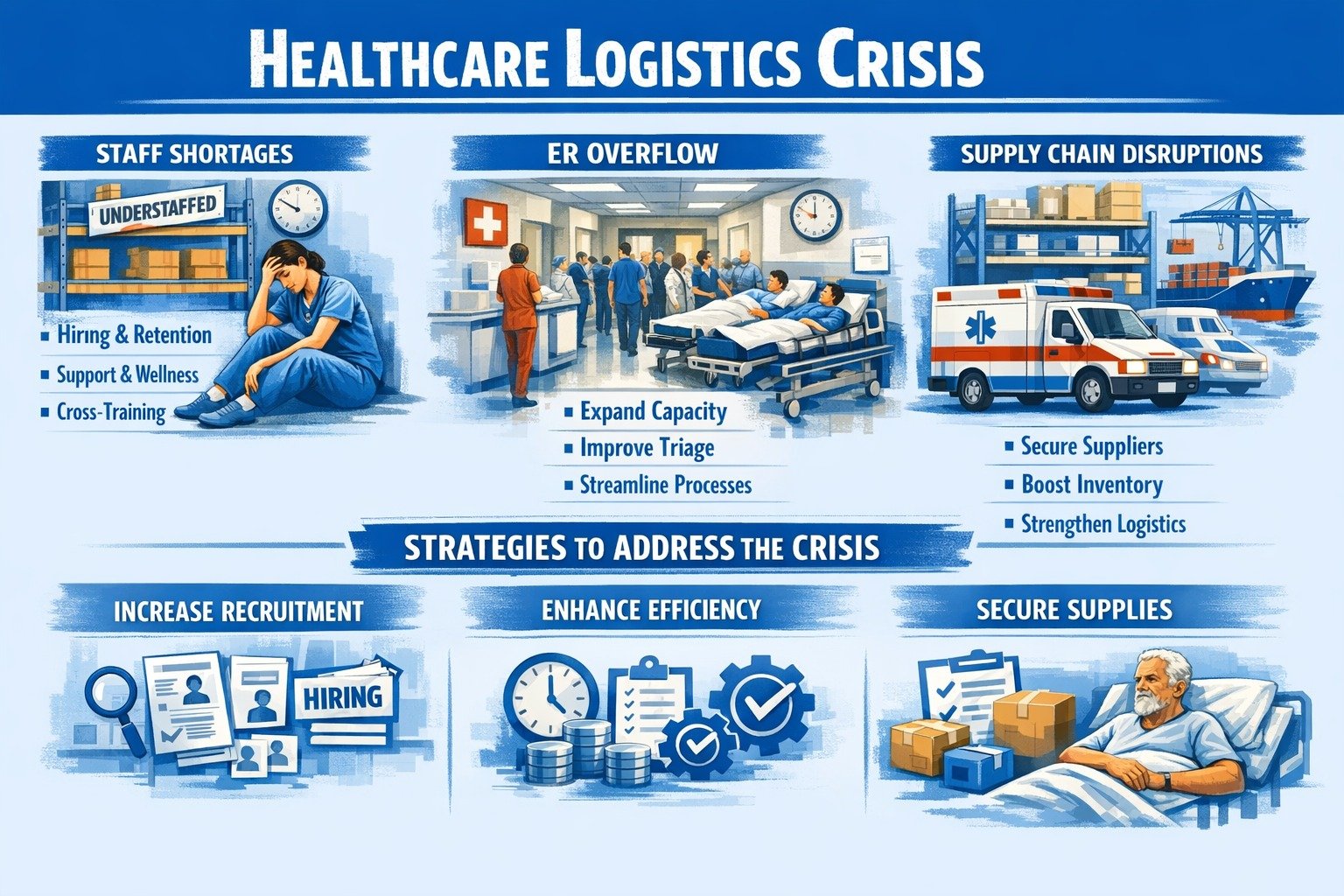
Behind every successful patient recovery is a complex, often unseen web of logistics. Today, the healthcare industry is facing an unprecedented operational crisis. From unpredictable supply chain disruptions affecting life-saving medications to inefficient bed management and staff allocation, hospitals are under immense pressure.
The reality is clear: excellent clinical care cannot exist without excellent operational management.
When supply chains break down or patient flow bottlenecks, it directly impacts the quality of care. The industry desperately needs professionals who can bridge the gap between medical necessities and administrative efficiency. This requires a deep understanding of inventory control, digital health integration, and crisis management.
The healthcare logistics crisis is not going away on its own, but with the right training, it can be managed.
Step into a leadership role and become part of the solution. Explore the Advanced Certificate in Healthcare and Hospital Management today.
The 2026 Healthcare Logistics Crisis: Why it is Happening
The crisis is not just about "missing supplies"; it is a systemic shock. In 2026, several factors have converged to create a "perma-crisis" in hospital operations:
Geopolitical Disruption: Conflict in major trade corridors (like the Middle East) has spiked freight surcharges by 30% to 50%. For India—the "Pharmacy of the World"—this means critical raw materials for medicines are often delayed or stuck.
The "Micro-Component" Trap: It is often not the medicine itself that runs out, but the "forensic" details—like $0.05 vial stoppers or IV bag plastics. A shortage of these tiny items can halt a million-dollar batch of drugs.
Cold Chain Vulnerability: With current global instability, maintaining the strict +2°C to +8°C range for oncology drugs and vaccines has become a high-stakes race against time.
Manual Bottlenecks: Many hospitals still rely on manual "procure-to-pay" (P2P) processes (faxes, phone calls, emails). In a fast-moving crisis, these manual steps lead to data errors and life-threatening stockouts.
 How PromediExcel Program Resolves These Issues
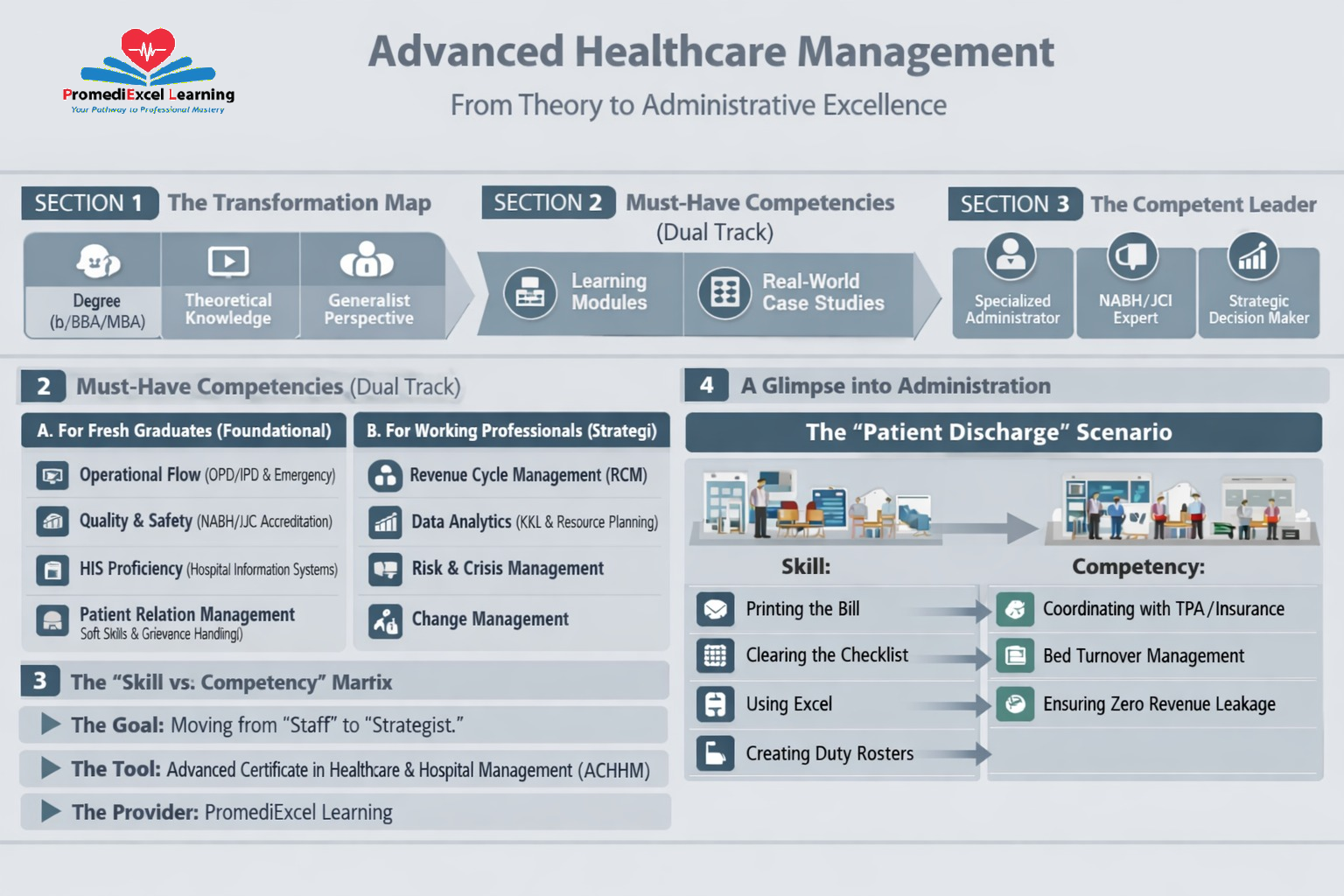
The Advanced Certificate in Healthcare and Hospital Management is not just a theoretical course; it is a "Strategic Strategy Room" for future leaders. Here is how the curriculum solves the crisis:
1. From Reactive Firefighting to "Operational Hedging"
The course teaches you to move away from "just-in-time" efficiency (which fails during crises) to Resilience.
What you learn: Dual-sourcing strategies, vendor-managed inventory, and how to map supply chains politically, not just geographically.
2. Transitioning to "Real-Time Hospitals"
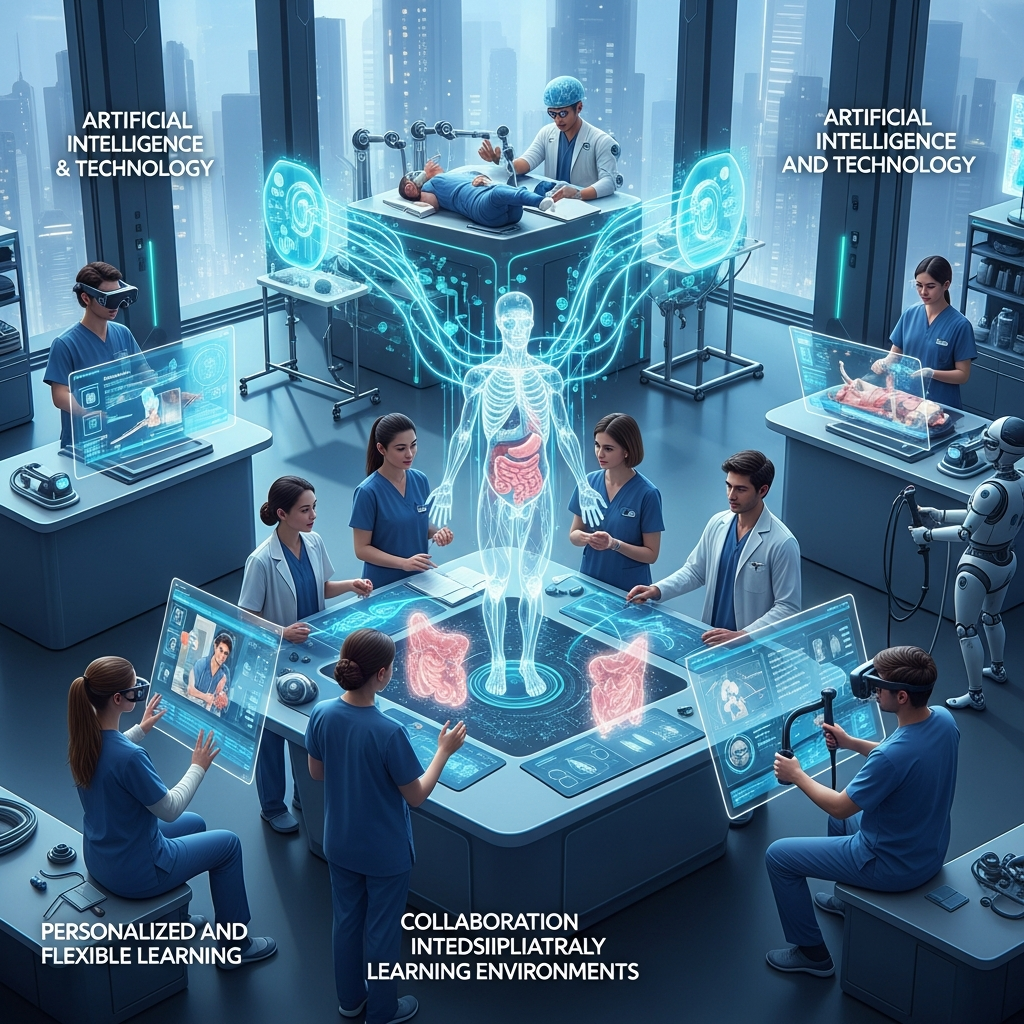
The program emphasizes Technology Integration (AI and IoT).
What you learn: How to use AI-powered forecasting to predict disease surges or supply shortages before they happen. You will explore how "Event-Driven Architecture" allows hospital data to flow instantly, reducing ER wait times and optimizing bed availability.
3. Mastering Quality & Regulatory Standards (NABH/JCI)
Logistics is not just about moving boxes; it is about compliance.
What you learn: Implementation of NABH standards and SOPs. You will learn how to ensure end-to-end traceability (serialization) so that every vaccine or pill is accounted for from the manufacturer to the patient’s bedside.
4. Hands-on Blended Learning
Unlike traditional degrees, PromediExcel uses a Blended Format.
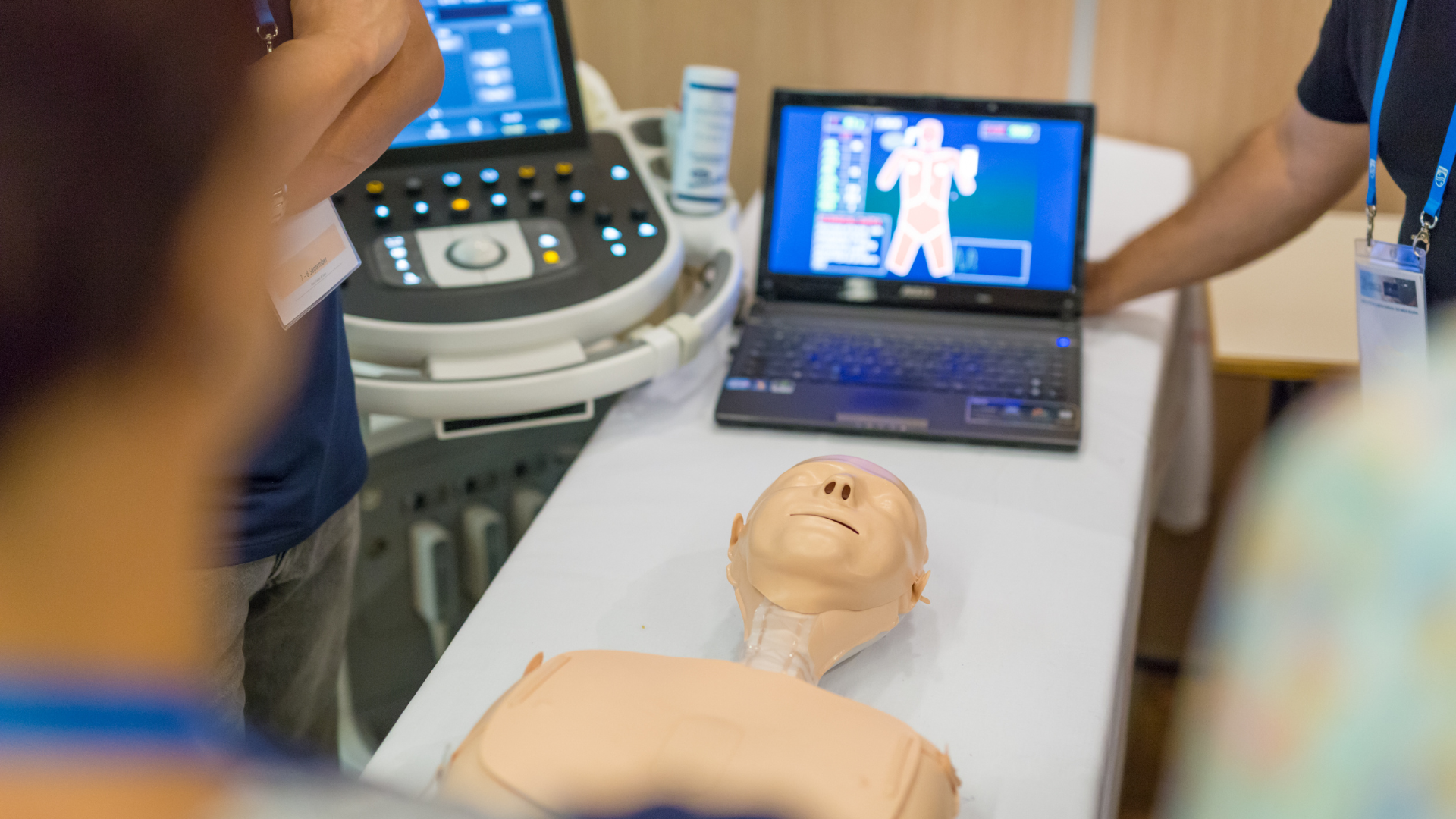
What you learn: You get access to real-world templates, case-based assignments, and practical training at accredited hospitals. This means you are not just reading about a crisis; you are seeing how top-tier hospitals manage it in real-time.
The Professional Edge
In 2026, a "Hospital Manager" is no longer just an office worker. They are Logistics Architects.
| Skill Developed | Industry Impact |
| Inventory Automation | Reduces waste and eliminates "last-minute" premium freight costs. |
| Data Maturity | Turns fragmented data into actionable insights for the Board of Directors. |
| Sustainability (ESG) | Tracks and reduces carbon footprints in last-mile delivery. |
"Did You Know?" — The 2026 Healthcare Management Edition
The 95% AI Advantage: Did you know that hospitals using AI-driven inventory management can reduce critical medicine stockouts by up to 95%? It is not just tech—it is about saving lives through data.
The Accreditation Boom: In 2026, over 4,200 hospitals in India are now NABH-accredited. Hospitals with this gold standard see a 60% reduction in patient complaints. Management makes quality possible.
The Hidden Market: The global healthcare logistics market is projected to reach $108 Billion this year. This has created a massive demand for "Logistics Architects" who can manage complex supply chains.
The Cold Chain Challenge: Keeping vaccines and life-saving drugs between +2°C and +8°C is a high-stakes race. Specialized managers are now using IoT sensors to track temperatures in real-time to prevent wastage.
The "Paperless" Shift: Nearly 70% of hospitals are expected to move to cloud-based supply chain management by the end of 2026. If you are not digital, you are behind.
The Salary Surge: Career growth in this field is rapid. While entry-level roles start around ₹3–4 LPA, senior healthcare administrators and COOs can command upwards of ₹20–25 LPA as they master hospital operations.
Why This Matters for PromediExcel
"The healthcare crisis isn't always a lack of doctors—often, it's a lack of organized systems. At PromediExcel, our Advanced Certificate in Healthcare and Hospital Management gives you the tools to be the 1% who can fix these gaps."
Enrol today and become part of a global healthcare revolution. Visit Us at www.promediexcel.com /Learn Anywhere. Train Everywhere. Succeed Globally.
.png)



.jfif)
.jfif)